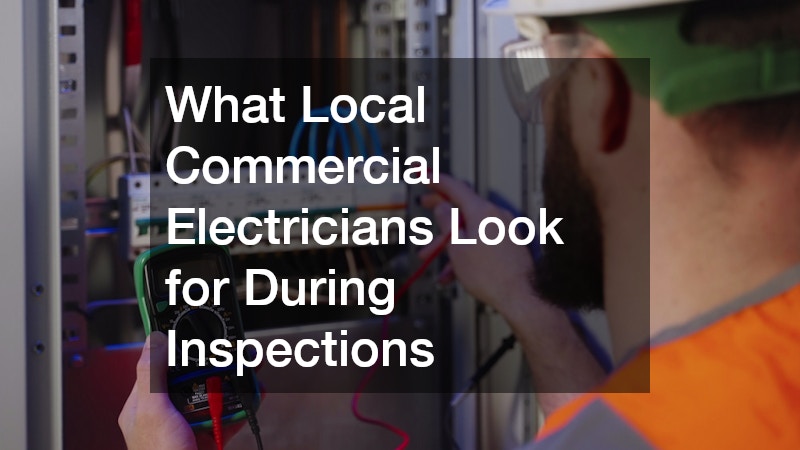
Commercial electrical inspections play a critical role in keeping businesses safe, compliant, and fully operational. Whether the inspection is part of a routine maintenance plan, a property sale, a renovation project, or a response to electrical issues, local commercial electricians follow a careful process when evaluating a building’s electrical system. Their goal is not only to identify immediate hazards but also to spot potential problems that could lead to downtime, costly repairs, or safety risks down the line.
Understanding what electricians look for during inspections can help business owners, property managers, and facility teams prepare more effectively. Knowing these focus areas also makes it easier to address minor issues early, communicate clearly with contractors, and make informed decisions about upgrades or repairs. A thorough inspection looks beyond surface-level concerns and examines how the entire electrical system functions together.
Evaluating Electrical Panels and Distribution Systems
One of the first areas local commercial electricians examine during an inspection is the electrical panel and distribution system. Panels act as the central hub for power throughout the building, and any issues here can affect every connected system. Electricians check that panels are properly labeled, easily accessible, and free from physical damage or corrosion. Missing or incorrect labels can slow emergency responses and increase the risk of mistakes during maintenance.
They also evaluate whether the panel capacity matches the building’s electrical demands. In commercial settings, businesses often add equipment over time, which can push older panels beyond their intended limits. Electricians look for signs of overloaded circuits, such as heat discoloration, tripped breakers, or makeshift wiring solutions. These indicators suggest the system may need upgrades to safely support current usage.
Inspectors also verify that panels meet local electrical codes, including proper grounding and bonding. Code compliance is especially important for commercial properties, as violations can result in fines, failed inspections, or delayed permits during renovations.
Checking Wiring Conditions and Installation Quality
Wiring is another major focus during commercial electrical inspections. Local commercial electricians assess both visible and accessible wiring to ensure it is installed correctly and in good condition. They look for exposed conductors, damaged insulation, and improper splices, all of which can increase the risk of electrical fires or system failures.
Electricians also check that the correct type of wiring is used for each application. Commercial buildings often require specific wire ratings based on load, environment, and usage. For example, wiring in areas exposed to moisture, heat, or chemicals must meet stricter standards. Using residential-grade materials in commercial spaces is a common issue that inspectors watch for.
Installation practices matter just as much as the materials themselves. Loose connections, overcrowded conduit, and unsupported cables can all lead to performance issues over time. During inspections, electricians verify that wiring is secured properly, routed safely, and protected from physical damage.
Assessing Grounding and Bonding Systems
Proper grounding and bonding are essential for electrical safety, yet they are often overlooked by building occupants. During inspections, local commercial electricians carefully evaluate grounding systems to ensure they provide a safe path for excess electrical energy. Inadequate grounding can increase the risk of electric shock, equipment damage, and power surges.
Local commercial electricians check grounding electrodes, bonding jumpers, and connections between metal components. In commercial buildings with complex systems, such as HVAC equipment, elevators, or data centers, grounding issues can cause interference or erratic equipment behavior. Inspectors look for continuity and secure connections throughout the system.
They also confirm that grounding practices align with current codes and industry standards. Older buildings may have grounding systems that were acceptable at the time of installation but no longer meet modern requirements.
Reviewing Lighting Systems and Controls
Lighting systems are another key area of focus during commercial electrical inspections. Electricians inspect fixtures, wiring, and controls to ensure they are operating safely and efficiently. Flickering lights, frequent bulb failures, or uneven illumination can indicate underlying electrical issues that need attention.
Inspectors also review emergency and exit lighting, which is especially important for commercial properties. These systems must function properly during power outages to ensure safe evacuation. Electricians test backup power sources, such as batteries or generators, and verify that exit signs are clearly visible and operational.
In many inspections, electricians also assess lighting controls, including timers, occupancy sensors, and dimming systems. Faulty or outdated controls can waste energy or create safety concerns. Identifying opportunities for upgrades can improve efficiency while maintaining compliance with local regulations.
Inspecting Equipment Connections and Power Loads
Commercial buildings rely on a wide range of electrical equipment, from office electronics to heavy machinery. During inspections, local commercial electricians examine how equipment is connected and powered. They look for proper disconnects, secure connections, and appropriate circuit protection for each device.
Electricians also evaluate power loads to ensure circuits are not being pushed beyond safe limits. Equipment added without proper planning can strain the system, leading to overheating or breaker trips. Inspectors often identify areas where dedicated circuits or upgraded wiring may be necessary to support current operations.
In facilities with specialized equipment, electricians pay close attention to manufacturer requirements and safety guidelines. Improper connections can void warranties, reduce performance, and increase the likelihood of failures.
Commercial electrical inspections are detailed evaluations that go far beyond a quick visual check. Local commercial electricians take a comprehensive approach, examining panels, wiring, grounding, lighting, and equipment connections to ensure systems are safe, reliable, and compliant. Each of these areas plays an important role in protecting people, property, and business operations.
By understanding what electricians look for during inspections, business owners and property managers can take a more proactive role in maintaining their electrical systems. Addressing small issues early, scheduling regular inspections, and planning upgrades strategically can help avoid costly disruptions and safety risks. A well-maintained electrical system not only supports daily operations but also provides peace of mind for everyone who relies on the building.